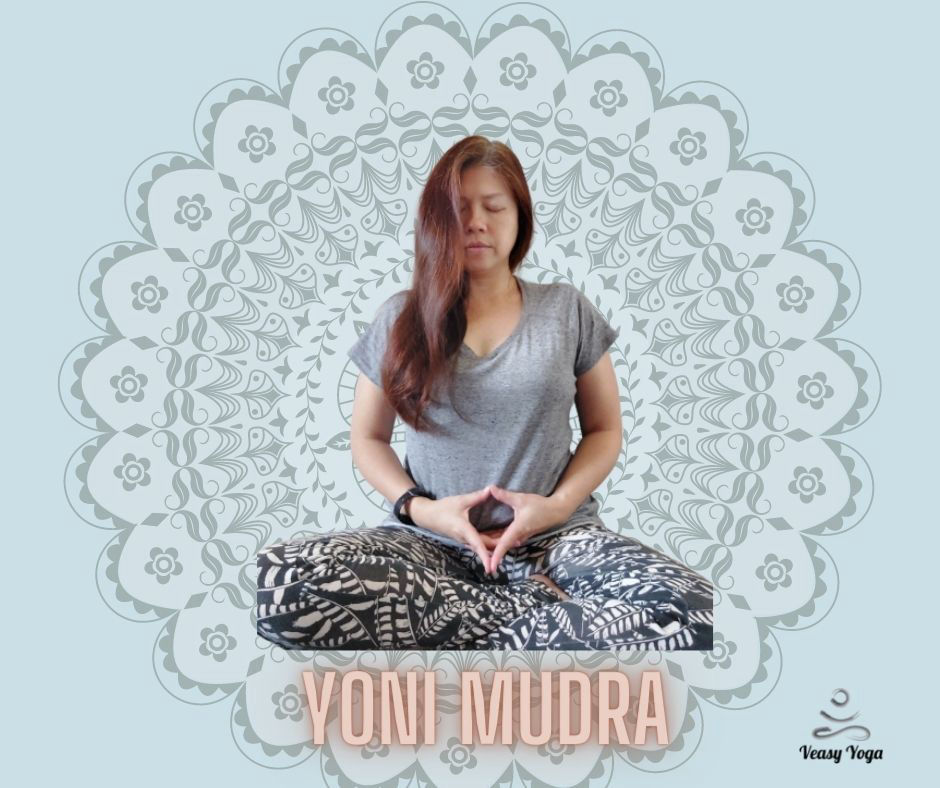
The word yoni means, seal, womb, resting place, source.
This mudra balances the left and the right hemisphere of our brain.
It helps to direct the downward flow of apana (the subtle energy) that cleanse the body and mind. It encourage the breath to the sacra area where we hold our emotion and feeling, cultivating sense of calmness and inner nourishment for emotional balance.
Yoni represent the womb or creation or the source, encouraging us to be back to the source that creating the sense of security and comfort.
With this sense of safety we can bring our awareness to Swadhisthana Chakra our creative centre at the pelvis and enhance our creativity.
Benefits in a nut shell:
• Great for PMS, reproductive health and menstrual imbalances
• Supports the health of the urinary system
• Helps in fertility
• Opens and balances Swadhisthana Chakra
• Develop greater concentration and internal awareness
• Balance our nervous system/ emotion
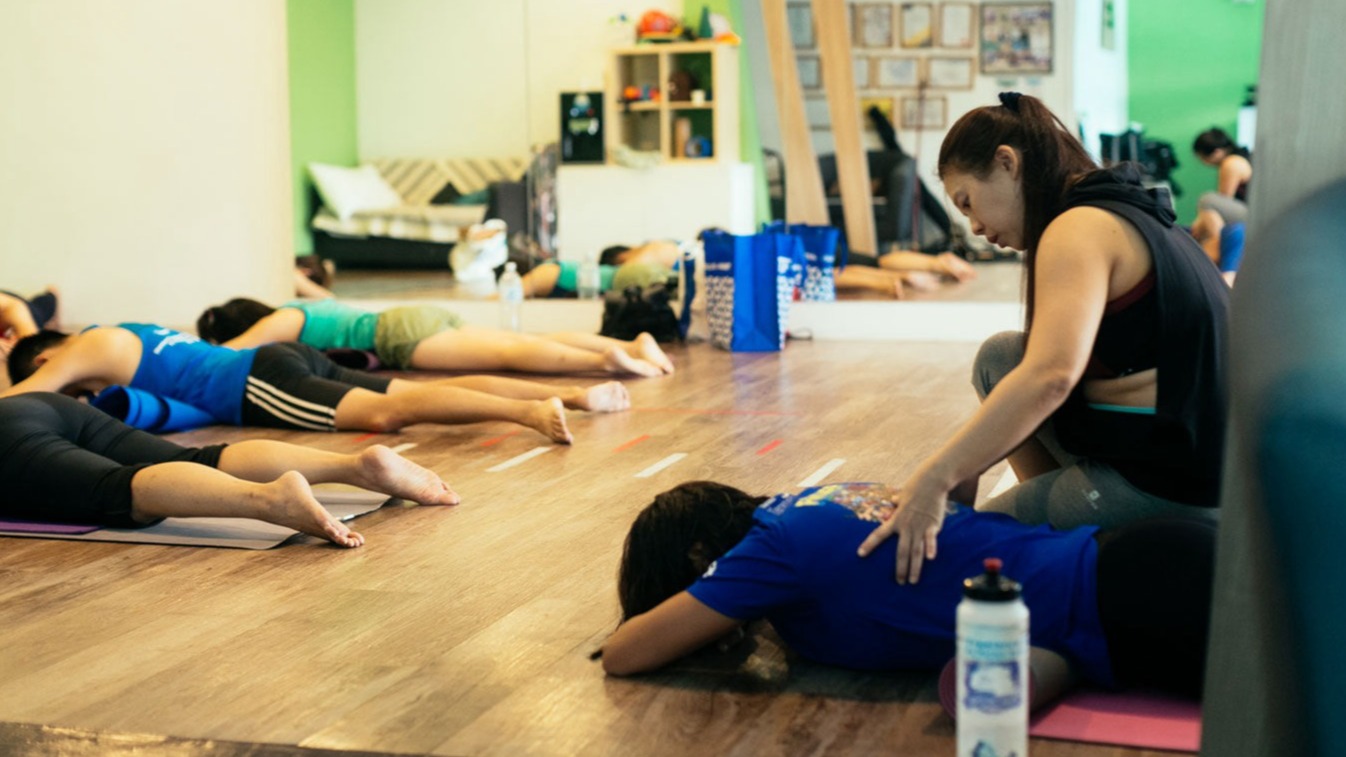
There are a few reasons :
1. Your body/ muscles are not ready yet and you are exerting energy.
The muscles shake because of your low blood sugar or you are tired. When your Glycogen / glucose (use for energy) is low, some of the muscle fibers are contracting irregularly and that causes the shaking. This is the same when it comes to the muscles you have never been working on. It is advisable to stop after 30 seconds of holding on the pose instead of persistently letting it shake. Yoga teaches us how to let go. If you push, that is ego as yoga also teach us to lower/remove the ego.
2. Misalignment or not engaging the right muscles.
Is time to check if you are using the right muscles, for instance, instead of core muscles but if you use the arm muscles in plank pose, your arms shake. Please be very careful as this will lead to shoulder injuries. It is always advisable to get a qualified yoga teacher to check on you instead of learning from videos where no one will tell you if you are doing the right thing.
3. Dehydration
When one is dehydrated, the electoride in the body is unable to function well (Electrolyte is the chemical that conducts electricity when mixed with water. They regulate nerve and muscle function, hydrate the body, balance blood acidity and pressure, and help rebuild damaged tissue.) When it is imbalanced, you will get tired or cramp. It is advisable to replenished yourself with plain water after a yoga class.
4. Lack of rest/sleep
Sleeping or relaxing ( especially yoga nidra / sleep yoga) is the time for the muscles to restore and let the healing start. If you are always lacking in sleep or leave the class when it comes to relaxation in Shavasana, your muscles are not restored properly and it will result in shaking when you work on asana again.
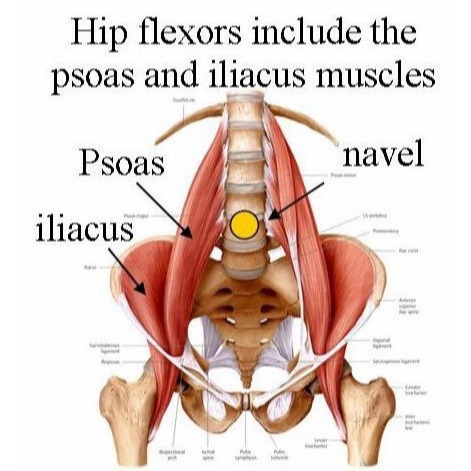
• Beside the sitting posture, it could be that your hip flexors muscles are tight.
• What are the hip flexor muscles ? As show in the picture, it is a group of muscles that consist of Psoas muscles and Iliacus muscles
• Psoas connects from your lumbar ( lower back) and extends through the pelvis (hip) to the femur (thighs) . It is the biggest muscle in our body.
• Iliacus muscles is shaped like a triangle, flat and an exact fit of the iliac fossa — the curved surface of the largest pelvic bone.
• When these muscles are tight, it pulls up in the front and your back fights to be straightened up. As the times pass, you will start to feel your lower back pain.
How yoga can help ?
• Stand with hip width. equal weight on both feet
• Inhale and raise your hands up, keep lifting the chest up
• Exhale, stretch your hands to the back and lift the chest up pointing toward the sky.
• Stay in the pose for 5 breaths
• Inhale and bring the hands back down
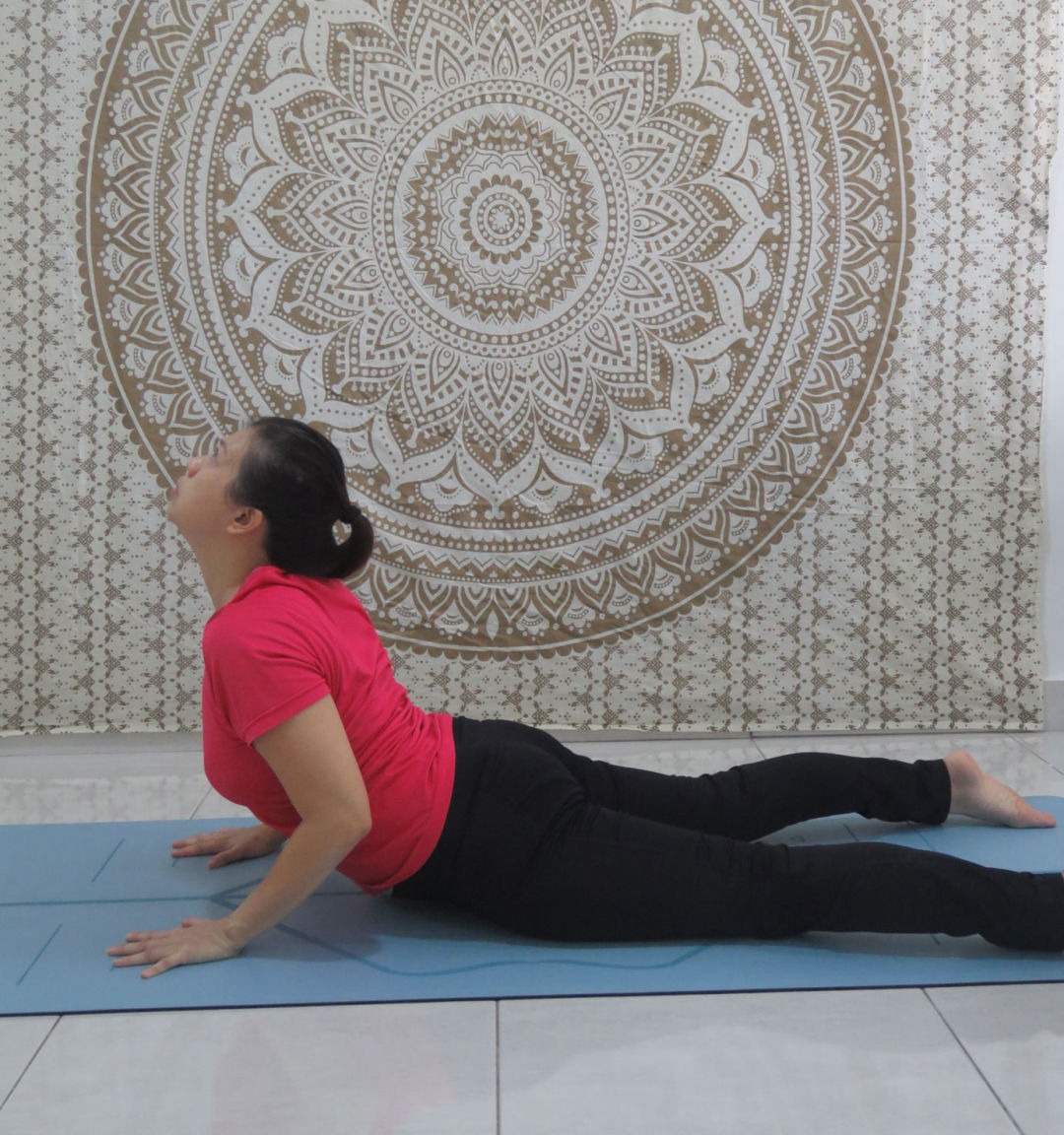
• Lie with face down
• Please your palms behind the shoulders
• Inhale, push your upper body up
• Stay in the pose for 5 breaths
• Inhale slowly come back to mat with face down
• beware of the arms, do not hyperextend the elbows, elbows remain bend and pubic bones on the mat
Here are some tips:
1. Move your body, exercise
Our brain secretes 2 good chemicals : "endorphin" and "serotonin" when we exercise. Besides, you will have a toned body and endless energy for the rest of the day!
2. Enough sleep.
Our brain or Pineal Gland to be exact, will secret a sleeping hormone called Melatonin. The function is to get your body ready to sleep. If you don't have enough sleep, it will affect the function of the pineal gland. Darkness prompts the pineal gland to secrete melatonin. It will stop when the lights are turned on.
3. Diet
Good and clean food will make your body lighter physically and mentally. More Vegetable and less meat. Avoid oily, fried and sweet food.
4. Meditation
Manage your emotions by meditating. “Serotonin” is the happy hormone secreted by our brain when we meditate. Start with watching your breath.
You have heard so much about the goodness of yoga and you finally made up your mind to attend your first class. You must have a lot of question marks in your head. One of it is : How should I behave in a yoga class so I won’t be the laughing stock among the students?
Here is some guidelines :
1. Be on time or arrived 5-10 minutes earlier
To prepare yourself for the class, to cultivate the right mood for class and let go out the external factors, thoughts. Be quiet when you get into the class without disturbing the students already there, lie down or do some warm up poses. It is also a form of respect to the teacher. Being late is being not respectful to the teacher and fellow students.
2. Turn off your phone
Once you have arrived, turn off your phone. You may want to set it on silent mood but put that away. The vibration will still affect the other students. Yoga class is a flow of energy, any disturbance from outside will disturb the flow. Some students put their phone next to their mat, even though is on silent moon but they will still look at the phone. Being distracted and not paying attention to what he/she is doing will result in injuries. Looking at the phone while the teacher is talking or doing together with the students is being very rude to the teacher.
3. Focus on yourself and not your neighbor
Yoga is a form of practice where you connect to yourself, drawing inward and learn about self. When you try to look at what others can do, you are focusing outward, no longer an inward practice. Yoga is not a competition. Learn about your body, accept your body, accept who you are. Everyone has different body capacity, the one that is flexible may not be able to balance, the one that can balance may not have enough strength, no sense of competing.
4. Respect teacher’s sequence.
Follow the instruction humberly. The teacher knows best what to do and to avoid injuries. Simply adding or changing poses out of what the teacher told, or better yet - told teacher what to teach. This behavior is extreme rude.
5. Stop talking
Talking to fellow students while teacher is teaching..not only you are distracting the fellow students, it may lead to injuries for both the fellow student and yourself. Plus this is another rude behaviour in the class. Remember yoga is an inward practice? When you start talking you are focusing outward again - this is no longer yoga
6. Do not skip Shavasana aka the big rest
Some students think the shavasana is a waste of time and left before the class ended - absolutely wrong. They don't know what they are missing, the shavasana is the time for you to reap the benefits from what you have done for an hour and is time for healing / restoration. Is time to practice “pratyahara” - withdrawal of sense that preparing you to a better meditation. For those who are lucky enough to have a teacher who would perform a “yoga nidra” - yogic sleep is extra bonus. This is the time when you can remove your deep rooted fear, a deeper practice than meditation.
7. Be clean
If you borrow the mat from the studio, be sure to clean it first before you put it back. Just as what you would do in your home.
During my talk at the Mahsa University, one of the physiotherapy student asked :
My mom is a total beginner, can she learn yoga from youtube ?
My answer : Yes and No
Yes unless there is someone who has experience or at least know about anatomy to watch over her when she practices, in order to avoid injury .
No because there are many “blind spots” like her back, and buttock. She wouldn’t know if she did it right, if the alignment is out, she is taking a big risk of getting injured . From youtube, there is no one giving proper guidance according to her capacity, no feedback or correction will be given.
One should attend a proper yoga class so that the risk of injuries goes to minimal or zero. What I meant about “proper yoga class” is : a class that is not a fitness bootcamp class that try to train you to perform in a circus. A proper yoga class should consist of :
1. Pawanmuktasana (Joint warm up)
2. Surya Namaskar (Sun Salutation)
3. Asanas (postures)
4. Yoga Nidra (Yogic sleep for restoration) Or Deep relaxation
5. Pranayama (Breathing exercise)
6. Dhyana (Meditation).
A teacher who has knowledge of anatomy, the art of adjustment and know how to give detailed instruction. Better yet to explain each benefits of each asana and why they are doing that.
Understand that many beginners are very shy to be in a group class and very conscious about their body. A private one on one class would be ideal for this group of people. Plus side is the class is customized according to individual’s capacity to optimized the benefit of practicing yoga.
A traditional type of yoga usually will include Surya Namaskar / Sun Salutation in the class, especially at the beginning of the class. Ever wonder why we have to start with Surya Namaskar?
“… let me repeat that no asana practice is complete without sun worship. Without its focusing of mental energies, yoga practice amounts to little more than gymnastics and, as such, loses meaning and proves fruitless. Indeed the Surya Namaskara should never be mistaken for mere physical exercise –for something incidental, that is, that simply precedes the asanas of yoga. Therefore, it is necessary, before beginning the sun salutations, to pray to Surya […] to bestow upon us the good fortune of having only good thoughts, of hearing and speaking only good words, and of attaining a sound and strong body, so that we may have a long life and, one day, achieve oneness with God.”
-Sri K. Pattabhi Jois, “Surya namskara”
There are many more reasons :
1. Served at a warm up. The whole set consist of 12 poses can be a complete practise as it strengthen, lengthen, extend and flex the muscles of the entire body.
2. It increases blood circulation while calming the mind.
3. Is a moving meditation when you are so focus on the breath and movement but nothing else.
4. The whole set of Surya Namaskar activated the prana / vital life force within us - cultivating overall health and well-being
5. Surya/ Sun represent 3rd eye in the physiology body, Sun Salutation helps to activate 3rd eyes and balanced all 7 chakras.
6. Surya Namaskar / Sun Salutation - we give thanks to the sun for life - giving light, learn to be grateful
6. The act of bowing when we fold forward will cultivate ego-less way of life and the palm pressing against each other balances the left and the right hemisphere of our brain triggering the awareness of oneness of all life.
There are many times when I guided student up to a pose or asana. I would always say : Hold here for 5 breathes without knowing it is actually confusing for the new students.
Hold here means : to be in this position.
For 5 breaths means : breathe in and breathe out, Total 5 times of inhalation and exhalation.
When I saw some students face started to turn red, I knew they are actually not breathing or holding their breath! Always check if they are breathing! Our body will automatically hold the breath when we are straining, means the muscle groups are not strong enough! Always learn to let go, regress and allowing time for our muscles to build up slowly. Is always about the journey.
A yoga class is meant to be enjoyable, not a bootcamp or a chore. As a teacher, we shall make the class more relax and enjoyable. Just like I would always joke : if you fainted because you were holding your breath, I will not perform a CPR on you...They had a good laugh while learning!
Let’s explore why we should not hold our breath when we are holding on the asana.
1. Oxygen is required to aid muscles in contraction and expansion, If we do not give enough oxygen supply to the muscles, it is difficult to stretch and becoming fatigue.
2. The yogis believe our breath is our prana - a life force/energy , some said Chi. If we are not breathing smoothly by pausing time to time, the flow of our prana will not be smooth. For more information about prana : http://www.awakeningthroughsynergy.com/2016/01/18/prana-the-life-force-energy/
Students asked me how long can I hold onto a headstand?
Seriously, I don’t know. At the beginning I still count my breath 10, 15, 25 breaths, but nowadays I don’t count anymore. Just experiencing how good I felt on my lower back ( use to have very bad lower back pain ) immersing myself into this asana ( postures), be one with the asana.
Those who is timing themselves are the goal-oriented practitioners. When one is goal-oriented, not only he is prone to injuries, he is also deviated from the path of pratyahara - withdrawal of senses in the 5th practice of “The 8 limbs of yoga” recorded in the Yoga Sutra by ancient sage - Patanjali.
What is Pratyahara ?
Withdrawal of senses. When we are either practicing asana, in shavasana ( corpse pose ), during yoga nidra ( yogic sleep - the big rest at the end of the class ) or meditating. We are complete one with the practice, withdrawing from the external world without completely losing contact with it. We are aware of the surrounding but not being affected by it. For example when you are practicing, a sudden loud noise will not affect you, or you won’t fall from the headstand. Someone who passes by will not affect you : you won’t open your eyes to see who is that when you are meditating. Yoga is about learning our body, when we are immersed into our practice, we can really feel which part of the body is stretching and contracting, which part of the body is straining. When one feels strained, is time to let go to avoid injury.
Letting go or detachment - Aparigraha is also part of the 8 limbs practice from the first practice Yamas ( Restraints or moral disciplines ). Letting go of things that not serving you good. Letting go of things that holding you back, letting go of people who doesn't love you anymore, Letting go of anger...
As a teacher I always got question like this. I remembered when I turned off the air-condition and left one fan turned on at the back of the room. Some students rolled their eyes.
Well let's explore why I do not want to practice under the cooling air from a/c.
When we practice pranayama ( breathing ) together with the body movement. Our body will be heated up. In fact certain pranayama techniques’ purpose is to increases body heat. So why we need to heat up our body ? Our muscles can stretch better when is heated up and when we have more oxygen in the blood ( it will be another write up about not holding our breath while practicing asana - yoga postures)
When our body is heated up, our pore are opened. Some people would get sick when the cool air from the a/c went direct into the body through the wide opened pores.
Another reason is, when we have the cool air around us, our body would cool down and it will be harder to stretch the muscles again. That would limit some of the mobility and flexibility we needed for certain asanas.
Or let’s think of it this way. Yoga is originated from India few thousand years ago. The ancient sage would not have the luxury of a/c in the cave where they practice.
There are a lot of misperceptions about yoga :
1. Yoga is a religion.
2. Yoga is for flexible, young and fit people only
3. Yoga is for girls only
4. Yoga is for the weaker folks - gentle stretch
5. Yoga is a form of exercise/fitness workout
6. Yoga helps to lose weight / doesn’t help to lose weight
7. Yoga is not meditation
8. Yoga practitioners must be vegetarian/ vegan
9. Yoga is dangerous
10. Yoga is expensive
11. Yoga can replace doctor.
What exactly is yoga ? Yoga derived from sanskrit word : Yog/Yug/Jog means the union of body and mind.
Here are the myth busters :
1. Yoga is a religion - NO
There is no “sacred” place for “worshiping’ Yoga. No church/temple/mosque/ synagogue for Yoga. There is no sacred deity or icon of yoga to worship. There is no ritual, no institutional structure, leader or group of overseers. There is no requirement for confession of faith. Yoga is a teaching, a way of life where you learn about yourself, self-love, self-acceptance and grow. Yoga gives you space where you can really learn and know about yourself. Ultimately you want to be able to stay centered, found your inner peace and not allow things around you to affect you. Religion is when you follow the footsteps/experience of a /the wise one. Spirituality is about you finding your own path to your inner being, peace and happiness. I like the way Sadhguru’s response when being questioned if yoga a religion. He simply asked him back : can you breath? Yes? Then this is religious ? Can you bend ? Yes? And this is religious ?
2. Yoga is for flexible, young and fit people only - NOT
Is like you are saying you are too dirty to take a bath. Yoga is for any body type and ages. If you know a little bit more about yoga styles, there are gentle ones like Hatha yoga or Yin Yoga to a challenging ones like Ashtanga Vinyasa Yoga or Vinyasa Flow. You don’t have to be flexible and fit to practice yoga, you will get flexible and toned over time. Consistency is the key
3. Yoga is for girls only - NO
Thanks to the social media who is focusing on beautiful fit lady doing yoga poses. There are many serious yoga practitioners are male and most of them do not have the ego to put their faces out in the public trying to gain fame or approval.
4. Yoga is for the weaker folks - gentle stretch - NOT really
Yoga asana ( postures ) can be as gentle as for the plus size or senior citizen, but there are different style of yoga like Ashtanga Vinyasa and Vinyasa flow that will work more on muscle strength and cardiovascular to pump up the rate rate. Ultimately it helps to tone and shape your body.
5. Yoga is a form of exercise/fitness workout - NO
Yoga is not just physical/ posture practice. Asana ( postures ) is just one of the 8 practices ( limbs ) of yoga. There are :
5.1 Yamas ( Self-Restraint )
5.2 Niyamas (Obseverence)
5.3. Asana ( posture )
5.4. Pranayama ( Breathing exercise )
5.5. Pratyahara (withdrawal of the senses)
5.6. Dharana (concentration)
5.7. Dhyana (meditation)
5.8. Samadhi (oneness)
Yoga consist of all the above practices, is a way of life. Not religion, not a workout. As my guru said : Yoga is not a workout, is a work-in. Work on the inside, our mind, emotions, self-realization
6. Yoga helps to lose weight / doesn’t help to lose weight - YES and NO
First of all, heavier weight doesn’t mean you are fat. The right measurement is the fat percentage. Weight of our body consists of water, bones, muscles and fat. Yoga will not help you lose weight, you will gain more muscle mass which will make you heavier but you will lose fat. The one who wear “S” size shirt may have the same weight with the one who wear “L” size shirt. Yoga helps to tone and shape your body. Generally a yoga practitioner will have a nicer body shape.
7. Yoga is not meditation - NO
I am a little surprised to read some of the yoga teachers/practitioners still think that meditation and yoga are two separate practices. Some people find the word
“meditation” is a religion practice. Actually is just the noun. Meditation is also mindfulness practice. As mentioned earlier, Dhyana (meditation) is the 7th limb of yoga, hence meditation / mindfulness practice is part of yoga. Yoga is not just asana ( postures) . Asana is just a brick, you cannot call a brick- a house. When one practices all the above 8 limbs, only is considered as yoga.
8. Yoga practitioners must be vegetarian/ vegan - NO
Yoga is not a religion hence there is no enforcement to the practitioner must follow a vegetarian or vegan diet. Although one of the practice - Ahimsa means no-violent. Some practitioner is following this path but not killing animals thus chose not to eat mean, is totally by choice. So, no, you don’t have to be a vegetarian/vega to practice yoga asana, pranayama, dharana and dhyana.
9. Yoga is dangerous - Yes and No
Yes yoga asana may be dangerous if you are not following instructions and trying to push through your body limit. You may also be feeling faint if you retain your breath (khumbaka) during pranayama practice by pushing your limits. No it won’t be dangerous if you follow the instructions carefully, remove that ego of “I must do this, better than the one next to me”. Yoga is about learning our body, limitation. Yoga is an inward practice where you learn about yourself. By listening to your body carefully, you will know when to stop without pushing. An inward practice about removing that ego, being competitive.
10. Yoga is expensive - NO
If you are pursuing the branded yoga outfit, yoga mat and many other yoga props - yes. You can still practice with a decent comfortable clothing and and a simple yoga mat. No doubt some of the yoga teacher charges high fees, it could be due to their experience. There are still genuine teacher who charge reasonable fee with the same kind of experience. Yoga is about simplicity, minimalist. If you are still chasing after branded outfit, I am sorry, your yoga journey so till a long to go or haven't even started.
11. Yoga can replace doctor - absolutely NOT
Yes there are yoga therapist. But still not a qualified doctor. There are many chronic disease/pain you still need a doctor. A yoga therapist is to help you in prevention of relapse and maintenance. The “rehab” center is physiotherapy/yoga therapy. Is still not a doctor.
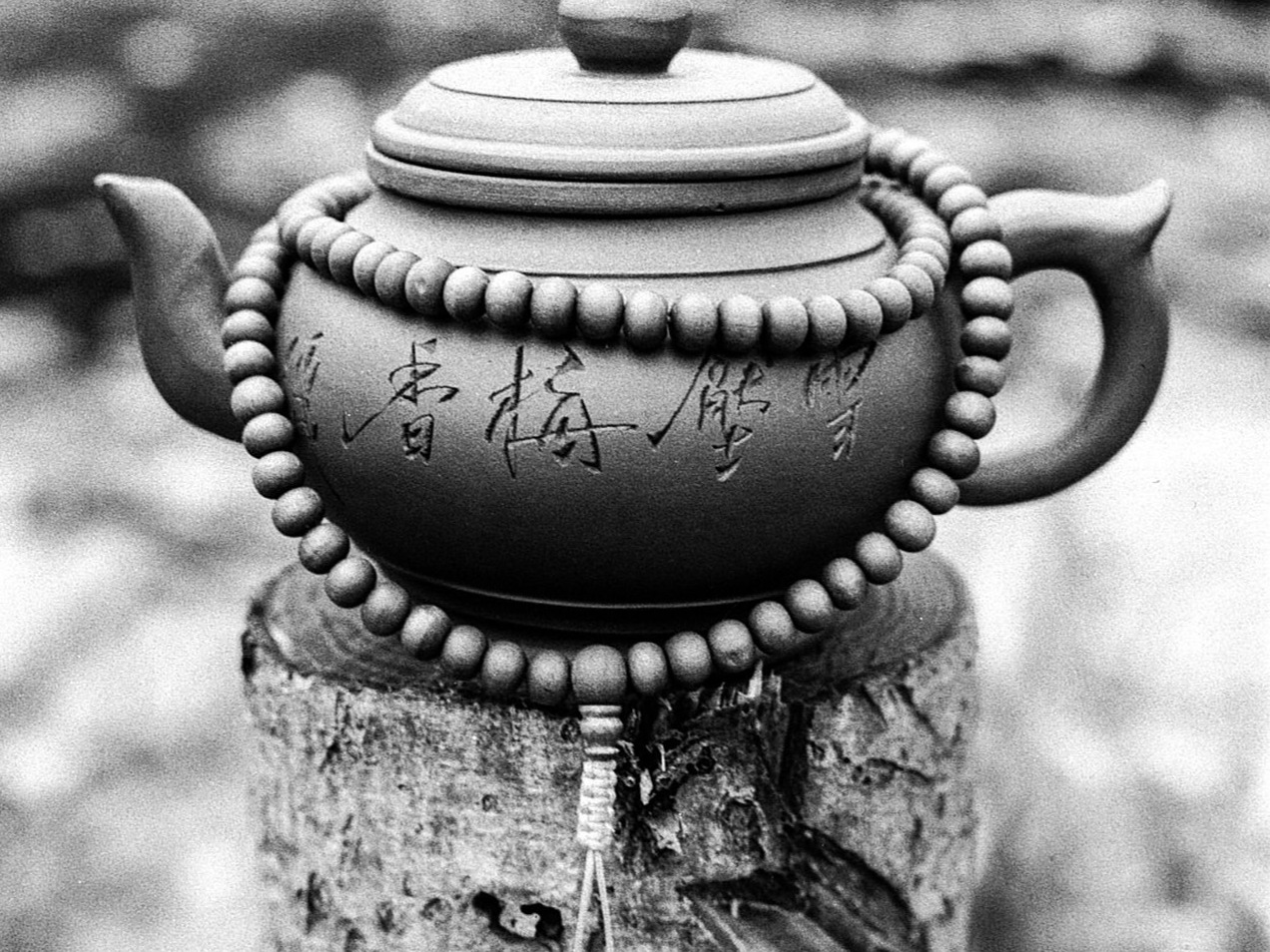
What is Mala ?
Mala, Sanskrit words for “Garland of meditaiton“, is a strain of 108 beads necklace worn/used by yogis, for meditation practice. It could be made out of seeds, stones or crystals. There are 108 piece of beads in tied as a necklace and at the summit of the beads, there is a bigger bead usually tied with ta tassel, call the “guru bead” or “sumeru”
It was believe that male was created about 3000 years ago helping the spiritual seeker or yogis keep their mind focus during the meditation. It is also like the rosary used by the Christians. One does not have to be religious to wear a mala.
Mala is use during meditation when the practitioner repeat their mantra ( reputation of words ) or reaffirmation in Japa meditation . Some yogis used mala to practice the 5th , 6th and 7th limbs of yoga - Pratyahara ( drawing inwards ) , Dharana ( concentration ) and Dhyana ( meditation )
Why 108 ?
108 is sacred in yoga. The 108 beads turns around the guru bead representing the planets Turing around the sun. In the yogic tradition , there are 108 of Upanishads ( ancient text ) , 108 of marmal points ( sacred points of the body ) and 108 of Peethas ( sacred places in India )
It was believed that the number of 108 is connected to the universe : where average distance of the Sun and the Moon to Earth is 108 times their respective diameters according to the
Other explanation of the number 108 :
Heart chakra ( Anahatha ) - there are 108 energy lines cover to and from the heart chakra, the vital energy support the “seat of the self” in Yoga teaching
Pranayama - said to practice meditation with only 108 breath a day, you are close to enlightenment
Sanskrit words - there are 54 masculine and 54 feminine alphabets in Sanskrit
How to use it /wear it?
When you use it for meditation, use it with your thumb and middle/ring finger, not the index finger as it represents Ego. Every time you repeat your mantra, push one bead behind, starting from the beads after the guru bead
You can either wear it on the neck or wrap around your wrist. Some Mala that made our of crystal or semi precious stone will have different effect to the chakras ( Energy center )
1. Namaste / Namaskar
A greeting with utmost respect :
I bow to the divine in you
The divine in me honor the divine in you
Please do not get confuse with " Thank you"
2. Shavasana /savasana
Sometimes the teach will say : rest in shavasana. Is a lying down pose where you start to relax your body and allowing the healing takes place, is a restoration session from what you have done in the class. Usually will be at the end of the class.
3. Surya Namaskar
Means Sun Salutation. Is a set of postures practice at the beginning of the class to warm up your muscles. Working for your lung and digestive system, This practice also increases the vital energy or prana in your body, which helps remove energy blockages. It helps you to practice respect and honor of your body.
4. Pranayama
Breathing exercise, breath work, breath control, energy control. The 4th limb of the 8 limbs of yoga by sage patanjali. One of the very important practice in Yoga, breathing is the bridge between mind and body. The Yogi believe : if you can control your breath, you can control your life.
5. Asana
Yoga posture. Asana actually means “to sit”. In the beginning, there are a lot of postures are meditation postures, the way you sit for meditation. Only in the last few centuries we evolve to 8.4million asanas.
6. Distri
Gaze. In each asana (posture) there is a gazing point where you direct your energy and cultivate your concentration . There are 9 gazing points : Looking at your thumb/ palm / feet /3rd eyes / nose / navel / far left side / far right side / upward.
The goal of yoga is not standing on your hand or folding backward.
Is liberation from suffering (samadhi)
Inner peace comes when we do not have expectations, emotional detachment
Yoga Is a journey, a long and lonely journey.